
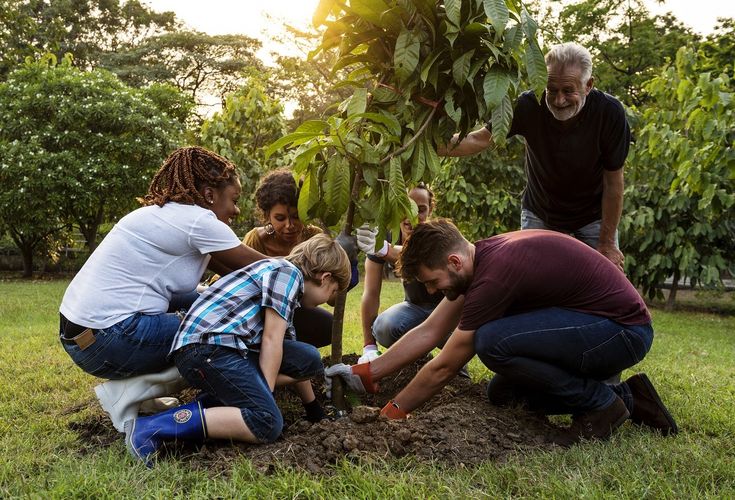
Gardening is not only a relaxing and rewarding hobby but also an excellent way to contribute to a healthier planet. By adopting eco-friendly practices, even beginners can create a sustainable garden that supports the environment.
1. Choose Native Plants
Opt for native plants that are well-adapted to your local climate and soil. They require less water, fertilizers, and maintenance, making them a sustainable choice for your garden.
2. Composting Made Easy
Turn kitchen scraps and yard waste into nutrient-rich compost. Composting reduces landfill waste and provides organic fertilizer for your plants. Start with vegetable peels, coffee grounds, and dried leaves.
3. Use Organic Mulch
Organic mulch, such as bark or straw, helps retain soil moisture, regulate temperature, and prevent weed growth. It also decomposes over time, enriching the soil naturally.
4. Conserve Water
Use water-saving techniques like drip irrigation, rain barrels, and watering plants early in the morning. This reduces water waste and ensures plants get the hydration they need.
5. Avoid Chemical Pesticides
Protect your garden naturally by using companion planting, neem oil, or homemade pest repellents. Chemical pesticides harm beneficial insects and the ecosystem.
6. Support Pollinators
Plant flowers that attract bees, butterflies, and other pollinators. Creating a pollinator-friendly space boosts biodiversity and helps plants thrive.
Conclusion
Starting an eco-friendly garden is simpler than you think. By following these beginner tips, you can create a green space that benefits both you and the environment. Every small effort makes a big difference in building a sustainable future.